If you need backup power for a project, an event, or as an emergency measure while your main generator is being repaired, you’ve probably asked yourself whether it makes more sense to rent a generator or just buy one outright. The answer depends on how often you’ll actually need it, and the math isn’t always obvious upfront.
At Deluxe Energy Solutions LLC in Musaffah, Abu Dhabi, we provide generator rental services alongside our repair and maintenance work, and we get this question often enough that it’s worth breaking down properly. If you want help figuring out what makes sense for your situation, message us on WhatsApp.
Why This Decision Isn’t as Simple as It Looks
Buying a generator feels like the long-term solution, and renting feels temporary. But that assumption doesn’t always hold up once you factor in maintenance, storage, depreciation, and how often you’ll actually use the unit.
The right choice comes down to usage frequency and duration, not just the upfront price tag.
When Renting Makes More Sense
Short-Term or One-Off Needs
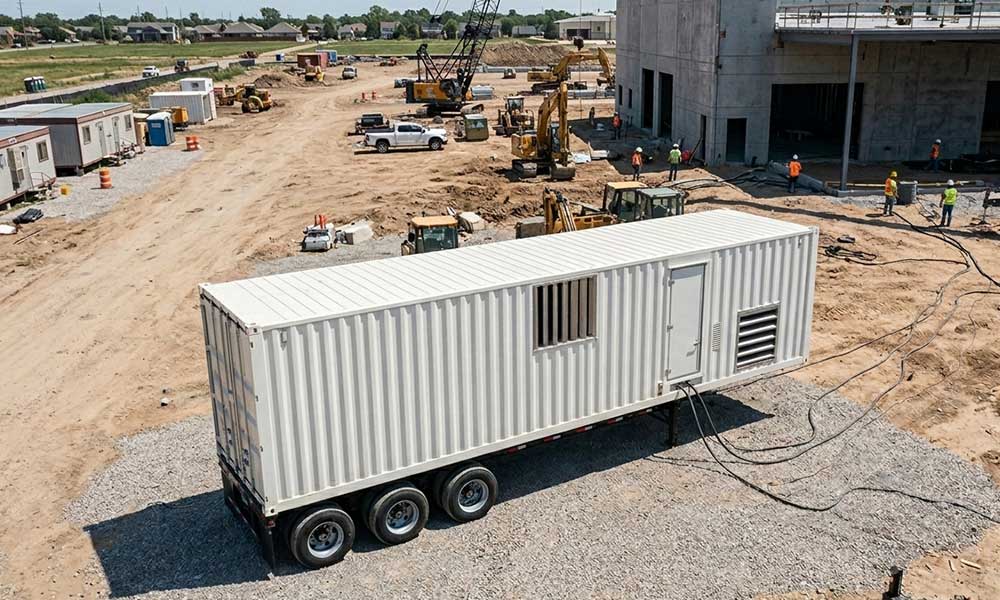
If you need backup power for a construction project with a defined timeline, an event, or a temporary gap while your own generator is being repaired, renting avoids the cost of owning equipment you’ll only use once or twice.
Avoiding Maintenance Responsibility
A generator you own needs regular servicing, fuel management, and storage space, even when it’s not running. Rental units are maintained by the provider, so you’re not responsible for upkeep between uses.
Flexibility in Capacity
If your power needs vary between projects, renting lets you choose a different generator size each time, rather than being locked into one capacity you may have bought based on a single project’s requirements.
No Long-Term Storage Needed
Owning a generator means finding space to store it when it’s not in use, along with keeping it in working condition for the next time you need it. Renting removes that responsibility entirely.
When Buying Makes More Sense
Frequent or Continuous Use
If you need backup power on a regular basis, such as a facility that experiences frequent grid outages or runs critical operations that cannot afford any downtime, owning a generator becomes more cost-effective over time compared to repeated rental costs.
You Want Full Control Over Availability
Rental units depend on provider availability, especially during peak demand periods when many businesses need generators at the same time. Owning your own unit means it’s available whenever you need it, without waiting on rental stock.
Long-Term Cost Efficiency
While the upfront cost of buying is higher, if you’re using a generator consistently over several years, ownership usually works out cheaper than paying rental fees repeatedly across that same period.
A Simple Way to Think About the Numbers
Rental costs are typically charged daily, weekly, or monthly, and include fuel options, delivery, and basic maintenance support. Buying involves a larger upfront cost, plus ongoing expenses for servicing, parts, and eventual repairs over the generator’s lifespan.
As a rough guide, if you expect to need a generator for more than a few months across the year, every year, ownership usually becomes the more economical choice. If your need is occasional or project-based, renting almost always works out cheaper once you account for maintenance and storage costs you’d otherwise carry.
A Real Example
A construction company in Abu Dhabi needed backup power for a six month project with a clear end date. Buying a generator for that single project would have meant a large upfront cost, plus the hassle of reselling or storing it afterward. They rented a unit sized to their actual load requirements for the project duration, with maintenance handled by us throughout, and avoided any ownership costs once the project wrapped up.
Compare that to a facility we work with that experiences frequent grid instability and relies on backup power several times a month. For them, owning a generator made far more sense, since the rental costs over a year would have exceeded the cost of buying and maintaining their own unit.
Questions to Ask Yourself Before Deciding
- How often will I realistically need backup power over the next year
- Do I have the space and resources to maintain a generator long-term
- Is my power need tied to a specific project with a clear end date
- Would I rather pay a predictable rental fee or take on ownership and maintenance costs
Your answers will usually point clearly toward one option.
FAQs
It depends on how often you need it. For occasional or project-based use, renting is usually cheaper once you factor in maintenance and storage costs. For frequent or continuous use, buying typically becomes more cost-effective over time.
Generator rental typically includes the unit itself, delivery, and maintenance support during the rental period. Fuel arrangements vary by provider, so it’s worth confirming this upfront.
The right size depends on your actual power load requirements, which a provider can help calculate based on the equipment or systems you need to run. Renting the wrong size either wastes money on excess capacity or risks insufficient power.
Yes, many businesses start with rental for short-term or uncertain needs and move to buying once their usage becomes more frequent or predictable. There’s no obligation to commit to one option permanently.
Choosing between generator rental and buying comes down to how often you actually need backup power, not just the upfront cost. For short-term or occasional needs, renting avoids maintenance and storage headaches. For frequent or critical power needs, buying usually pays off over time.
If you’re trying to decide what makes sense for your situation, or need a generator rented for an upcoming project, Deluxe Energy Solutions LLC in Musaffah, Abu Dhabi can help you figure it out. Message us on WhatsApp or visit deluxeenergy.ae.