
Why Your Power Generator Keeps Shutting Down and How to Fix It
A power generator that keeps shutting down is more than just an inconvenience—it’s a warning sign. Whether the generator is used for backup power, continuous operation, or critical applications, repeated shutdowns indicate that something isn’t right. Ignoring the issue can lead to bigger failures, higher repair costs, and unexpected downtime when power is needed most.
Understanding why generators shut down repeatedly helps you fix the root cause instead of relying on temporary solutions.
Low Oil Pressure and Engine Protection Systems
One of the most common reasons generators shut down is low oil pressure. Modern generators are designed with safety systems that automatically stop the engine to prevent damage.
Low oil pressure can be caused by:
- Insufficient oil level
- Oil leaks
- Worn oil pumps
- Blocked oil filters
- Incorrect oil grade
Fixing the issue starts with checking oil level and quality. If the problem persists, pressure sensors and lubrication components should be inspected. Simply resetting alarms without addressing the cause risks severe engine damage.
Overheating Due to Cooling System Problems
Generators are designed to shut down when temperatures exceed safe limits. Overheating is often caused by cooling system issues rather than electrical faults.
Common causes include:
- Low coolant level
- Blocked radiator or heat exchanger
- Faulty thermostats
- Non-functioning cooling fans
- Restricted airflow around the generator
Cleaning the cooling system, ensuring proper ventilation, and maintaining coolant levels usually resolve overheating-related shutdowns.
Fuel Supply and Quality Issues
Fuel problems are another major cause of generator shutdowns. Inconsistent fuel flow or contaminated fuel prevents stable engine operation.
Typical fuel-related issues include:
- Blocked fuel filters
- Air leaks in fuel lines
- Water or dirt contamination
- Incorrect fuel pressure
- Old or degraded fuel
Regular fuel system inspection and filter replacement are essential. For standby generators, fuel quality should be checked even if the unit hasn’t run recently.
Electrical Faults and Load-Related Shutdowns
Generators are designed to shut down when electrical parameters move outside safe limits. Overloading, short circuits, or unstable voltage can all trigger protective shutdowns.
Electrical causes may include:
- Excessive load demand
- Faulty circuit breakers
- Alternator problems
- Voltage regulator failure
- Poor grounding or wiring faults
Load testing helps determine whether the generator can handle real operating demand. Electrical inspections ensure protection systems function correctly without nuisance trips.
Sensor and Control System Malfunctions
Not all shutdowns are caused by actual faults. Sometimes, faulty sensors or control modules send incorrect signals to the generator controller.
Examples include:
- Defective temperature sensors
- Faulty oil pressure switches
- Loose wiring connections
- Control panel software errors
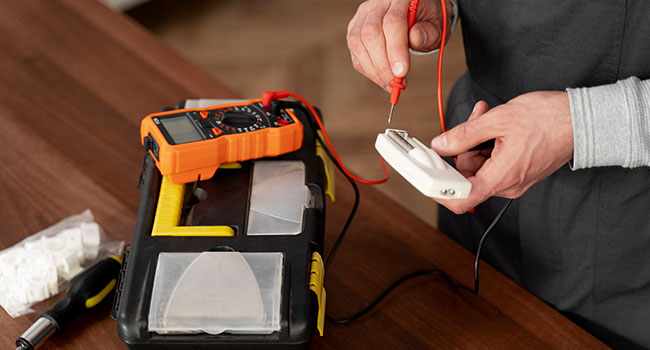
Diagnosing these issues requires systematic testing rather than guesswork. Replacing parts without proper diagnosis often leads to repeated shutdowns.
Exhaust and Air Intake Restrictions
Restricted airflow or exhaust flow increases engine stress and temperature, triggering shutdowns.
Common issues include:
- Blocked air filters
- Collapsed intake hoses
- Restricted exhaust piping
- Poor ventilation in generator rooms
Routine inspection of air intake and exhaust systems prevents these avoidable shutdowns.
Why Temporary Fixes Don’t Work
Resetting alarms or bypassing safety systems may get the generator running temporarily, but it doesn’t solve the underlying problem. In fact, bypassing protection devices often causes more serious damage later.
A structured troubleshooting approach saves time and money by identifying the true cause instead of treating symptoms.
Step-by-Step Approach to Fixing Shutdown Issues
- Review alarm history and shutdown codes
- Inspect oil, coolant, and fuel systems
- Check load conditions and electrical output
- Test sensors and control wiring
- Perform load testing if required
This method ensures no critical area is overlooked.
A generator that keeps shutting down is signaling a problem that should not be ignored. Low oil pressure, overheating, fuel issues, electrical faults, and sensor failures are the most common causes. Proper troubleshooting focuses on identifying and fixing the root cause—not bypassing safety systems. Addressing shutdown issues early restores reliability, protects the generator, and ensures dependable power when it’s needed most.