
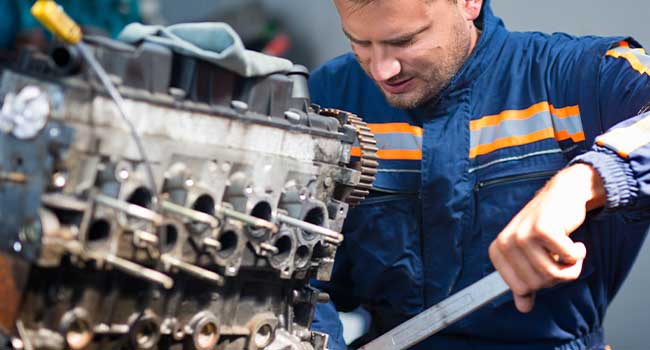
When a diesel engine comes out of repair or a complete overhaul, most owners expect one thing above all else: performance that feels right. Smooth power delivery, stable fuel consumption, and confidence that the engine will hold up under real working conditions. Yet this is exactly where many problems begin.
On paper, the repair may be “complete,” but once the engine is back in operation, it may feel underpowered, consume more fuel than expected, or behave inconsistently under load. This gap between repair and real-world performance is where diesel engine dyno testing becomes critical.
The Hidden Risk After Engine Repair or Overhauling
A diesel engine overhaul involves many precise steps—machining components, replacing liners and pistons, setting clearances, recalibrating fuel systems, and reassembling everything to specification. Even when done by experienced technicians, small deviations are almost impossible to avoid.
A slightly incorrect injector timing, uneven fuel delivery, or improper turbo response may not show up during idle testing or short trial runs. Without dyno testing, the engine is essentially trusted to perform correctly once installed in the field.
This creates uncertainty for operators, especially in industries where engines run under continuous or heavy load such as power generation, marine applications, construction equipment, and industrial plants. A dynotest removes this guesswork by validating performance in a controlled environment before the engine is put back into service.
What a Dynotest Actually Does
A diesel engine dynotest simulates real operating conditions by applying controlled load to the engine while measuring key performance parameters. Unlike basic workshop checks, a dyno allows the engine to be tested across its full operating range.
During a dynotest, technicians can accurately measure:
- Actual horsepower and torque output
- Fuel consumption at different load levels
- Exhaust temperatures and emissions behavior
- Turbocharger boost pressure
- Engine response under sustained load
This data reveals whether the engine is truly delivering the power it was designed to produce. If performance falls short, adjustments can be made immediately—before the engine reaches the customer or job site.
Why Normal Testing Is Not Enough
Many workshops rely on static testing, no-load running, or short-duration trials. While these checks are useful, they cannot replicate real-world stress.
An engine may idle smoothly and rev freely without load, yet struggle once it is connected to a generator, pump, or drivetrain. Issues such as incorrect fuel mapping, excessive fuel consumption, smoke under high load, cooling problems, or lubrication faults often only appear after prolonged operation under load.
A dynotest exposes these problems early—when they are easier, faster, and cheaper to fix.
Validating Power Output and Customer Expectations
One of the most common complaints after engine repair is, “The engine doesn’t feel as powerful as before.” Dyno testing directly addresses this concern.
By comparing measured output against manufacturer specifications or baseline data, workshops can confirm whether the engine meets expected performance levels.
This is especially important for commercial operations. A generator delivering even 5–10% less power than rated can cause overloads, frequent shutdowns, and reduced operational capacity. Dynotesting provides documented proof of performance, giving customers confidence that the repair or overhaul was successful.
Fuel Efficiency and Long-Term Reliability
An engine that is not properly tuned after overhaul often compensates by burning more fuel. Over time, this increases operating costs and accelerates wear.
Dyno testing allows precise optimization of fuel delivery, air-fuel ratios, and combustion efficiency. The result is improved fuel economy, smoother operation, and reduced stress on engine components.
More importantly, dynotesting supports long-term reliability. Detecting abnormal temperatures, vibration under load, or uneven power delivery helps prevent premature failures and costly breakdowns after major repair work.
Real-World Example
Consider a diesel generator engine that has just undergone a full overhaul. Without dyno testing, it is installed on-site and connected to critical loads.
Under peak demand, the generator begins to overheat and trip. The issue turns out to be improper fuel calibration under high load—something that would have been identified within hours on a dyno.
Instead, the client experiences downtime, emergency service costs, and loss of trust. With dyno testing, the engine would have been tested, tuned, and verified before delivery—ensuring reliable operation from day one.
A Smart Final Step, Not an Optional One
Diesel engine dyno testing should be viewed as the final quality control step after repair or overhauling—not an optional add-on.
It bridges the gap between workshop work and real-world performance, ensuring the engine delivers the power, efficiency, and durability it was designed for.
If an engine has been repaired or overhauled, dyno testing is the only reliable way to confirm performance under real load conditions. It protects both the service provider and the engine owner from costly surprises and ensures the engine delivers on its promise.